
From pop-up to permanent store: Junior Juweeltjes on growing without losing control
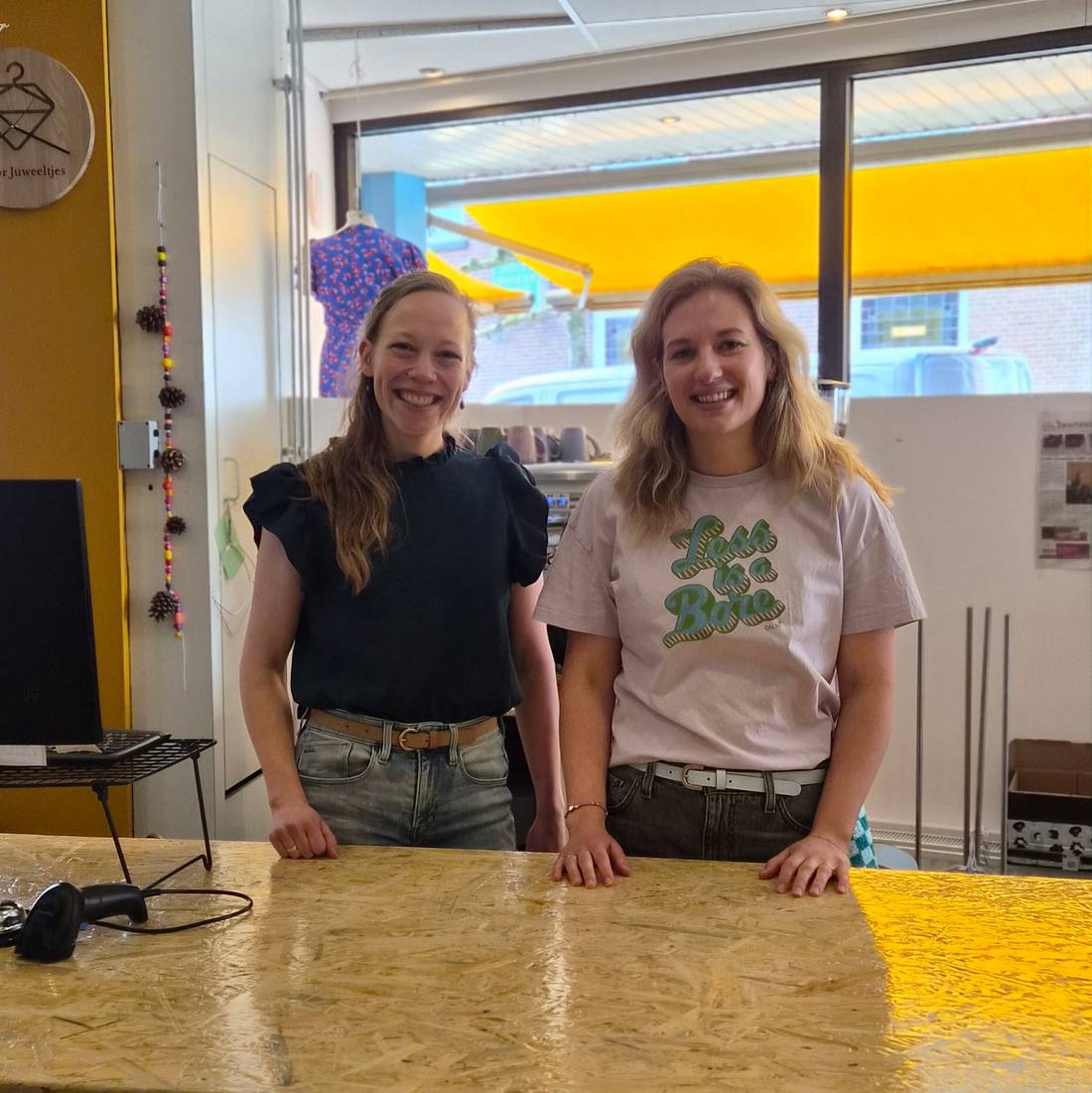
Junior Juweeltjes is a second-hand children's clothing store. They started as a pop-up concept, run entirely by hand. They have taken the step to a permanent store and, within five months, already have more than 100 active consignors and 2,000 items in stock. Read here how that grew and why they say it wouldn't have been possible without Cirquly.
How the pop-up started: numbers on bags and lots of manual work
The model was simple: consignors got a number, clothing got a handwritten label with the number, size and price, and sales per consignor were tracked manually.
Registration? No stock list. Numbers on bags and labels. Counting hangers to keep track of how many items were in stock.
Administration? Beforehand: many hours per pop-up with several people labeling 1,500 items. Afterwards: another 4 evenings calculating and processing the earnings for all consignors.
Payouts? Sending a manual message, "You've earned €50, we'll transfer it", and then transferring each amount yourself.
POS? A QR code with an open Tikkie.
It worked. But only just.
"If we had worked at our current size without software, we wouldn't have had any overview. It simply wouldn't have been doable."
The breaking point
What took the most time was the final step: working out what had sold, who had brought in what, and adding it all up. Manually. Evening after evening.
Errors stayed limited, because the scale was small enough. But with the growth they had in mind, namely more consignors, more items, and expansion into their own purchasing and a café, this system wasn't sustainable.
What changed with Cirquly
Today, Junior Juweeltjes has a permanent store with:
| Active consignors | 104 |
|---|---|
| Items in stock | ~2.000 |
| Transactions per month | ~1.000 |
| Payouts per month | 4, because consignors spend their balance directly in the store now that they can see it |
1. From weeks to half a day per week
Where the financial administration used to take up evenings, it has now been reduced to half a day per week. Payouts, invoicing and reporting all run through one system.
In six months, Junior Juweeltjes made only 4 payouts per month. The reason: consignors can now follow their balance in real time through the Cirquly app. They see what has sold, get curious, and simply spend their balance back in the store.
2. Peace of mind at the end of the day
"At the end of the day you see your revenue right away. The VAT return, split for consignment, purchased stock and hospitality, is simply ready at the end of the quarter."
New products and hospitality are processed in the same system. They also have far more insight. Which size sells well? Which category is doing well? It's all right there.
3. Happy consignors, fewer questions
Consignors used to have no way of seeing what happened to their clothes. Now they are in control through the Cirquly web app: they see which item was taken in, when it sold, and what their balance is.
"We hardly get anyone asking about prices anymore, now that they can see it for themselves."
In fact, people get excited. They check their phone, see that something has sold, and come into the store. That's no longer customer service. That's marketing.
4. Smart rules you can't manage by hand
Differentiated consignment commissions, multiple product categories with their own VAT rates: without software this is unthinkable. With Cirquly you set it up once and the system does the rest.
What Junior Juweeltjes would miss without Cirquly
"We can't do without it. If Cirquly disappeared, we'd immediately look for something else. We've grown so much, and that would never have been possible without Cirquly."
Beyond the features, they also value the community. Junior Juweeltjes attended the second edition of Tweedehands Talks, the community event for consignment entrepreneurs. The connections and building the second-hand market together are, for them, real added value on top of the software itself.
In summary
| Before Cirquly | With Cirquly |
|---|---|
| Evenings of admin per pop-up | Half a day per week |
| Manual payouts via Tikkie | Consignors mostly spend their balance in store |
| No inventory overview | Real-time insight for store and consignor |
| Counting hangers to track inventory | Automatic reports and insights |
| Not scalable | Grown to 104 consignors, 2,000 items |
| Second-hand only | Expanded to purchased stock and hospitality |
Are you also running a second-hand store without software?
Then this probably sounds familiar: evenings lost to admin, lots of manual emailing with consignors and little overview. It works, until you scale up and it no longer does.
Cirquly is built for stores like yours.